
Plant Proteins Today.
Sustainable Future Tomorrow.
Beotanics is a proud partner in VALPRO Path — a 4-year, 22-partner EU research initiative forging Europe's path to plant protein self-sufficiency.

Forging the Path to EU Protein Sufficiency
VALPRO Path is a Horizon Europe project spanning four years, from September 2022 to August 2026. With the participation of 22 partners across 9 countries, VALPRO Path is developing fresh possibilities — validating and showcasing ways to enhance plant protein production for food and feed in the EU.
From harnessing on-farm processes to creating new business models, the project aims to turn food-chain actors towards sustainable, locally grown plant protein production. Its mission is to pioneer fresh possibilities that strengthen food system resilience, reduce dependence on imported protein, and lower the environmental impact of European food production.
Why import protein when we can grow it here?

Years Project Duration
Partners Across the Consortium
Countries Represented
Living Labs Innovation Production Systems
Beotanics at the Heart of the Protein Transition
Beotanics is one of 22 partners in the VALPRO Path consortium — a network spanning academia, farming, agri-food industry, international networks, and farming associations.

"Beotanics Group is an agri-food company that works with universities, plant-based R&D organisations, and industry partners worldwide, serving and supporting the global shift towards alternative proteins. Our mission is to discover new ways to feed the planet that improve human health, balance resource allocation, enhance biodiversity and reduce environmental impact, while widening crop opportunities for farmers in Europe."
Our role draws directly on our core expertise: developing plants with exceptional ingredient potential and devising sustainable growing systems. Within the project, Beotanics is responsible for testing and adapting selected protein crops and growing systems with trials in Ireland, Portugal, The Netherlands, Germany & Italy.
This work sits squarely at the intersection of what Beotanics does every day: identifying crops with high value potential, refining sustainable growing practices, and building the supply chains that connect field to formulation.
5 Innovation Production Systems Across Europe
At the core of VALPRO Path are five multi-stakeholder Innovation Production Systems (IPSs) — real-world Living Labs where new approaches to protein crop production, processing, and business modelling are tested at scale.
IPS 3: Intercropping for Protein Yield Optimisation
Growing More, Together
Led by Teagasc, Ireland
Why it works:
Higher, more stable yields
Natural crop support — less inputs needed
Reduced financial risk for Irish farmers
Business models:
Subscription plans
Pay-per-consultation
Freemium tools
Retainer-based services

Peas and faba beans grow better side by side. Intercropping improves crop stability, reduces lodging, and increases returns for both food and feed producers — a natural approach backed by data.

Products with embedded carbon and nutrient tracking give consumers a clear picture of what's inside their plant-based food — and the story behind how it was grown.
IPS 4: Smart Labels
Transparency from Field to Fork
Led by Teagasc, Ireland
Why it works:
Showcases low-emission, nutrient-rich foods
Tech-enabled transparent sourcing
Taps into the growing eco-conscious market
Business models:
Wholesale
Private labelling
IPS 5: Legume Pasta
Pasta With a Purpose
Led by UNITO, Italy
Why it works:
Protein-packed and naturally gluten-free
Locally crafted with bold flavour
Strong and growing market appeal across Europe
Business models:
Direct online sales
Subscription boxes
Farmers' markets
B2B collaborations

Artisan pasta made from lentil and chickpea flour delivers great taste, nutritional depth, and genuine sustainability — with regional sourcing from field to fork.
High-Protein Crops at the Core
At the core of VALPRO Path are five multi-stakeholder Innovation Production Systems (IPSs) — real-world Living Labs where new approaches to protein crop production, processing, and business modelling are tested at scale.

Chickpea
A protein-dense legume with exceptional versatility in food applications — from plant-based burgers to pasta and confectionery. Beotanics' work explores chickpea's potential in Ireland and Portugal.

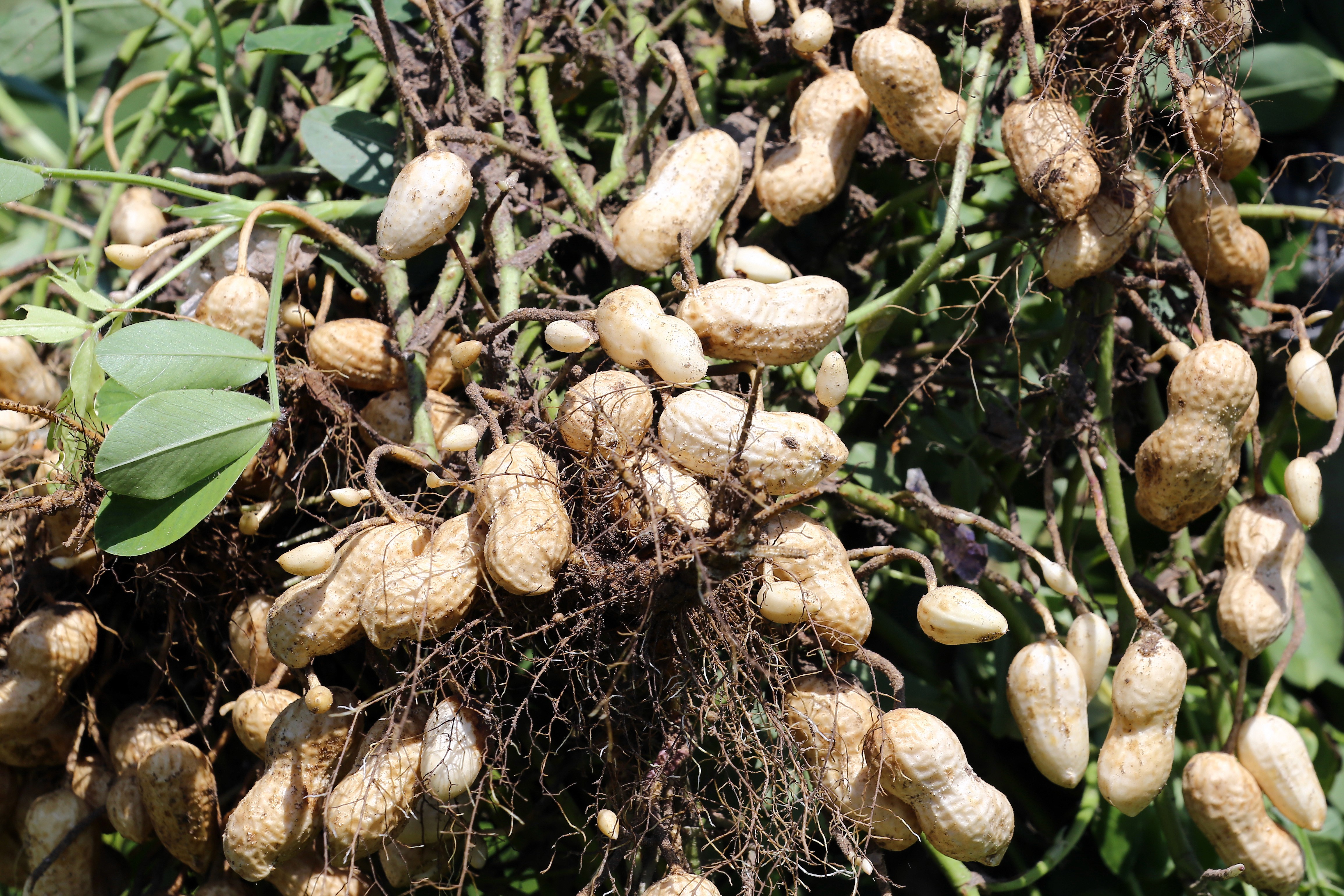
Peanut
An emerging crop for European agriculture. VALPRO Path is actively developing pathways to establish the peanut industry within the EU — unlocking new commercial and agronomic opportunities for European farmers.

Faba Bean
High in protein and well-adapted to temperate climates, faba beans are a cornerstone of intercropping systems across Ireland and Northern Europe.

Pea
A versatile legume and key crop in European protein systems. Peas perform exceptionally well in intercropping systems, enhancing both yield stability and soil nitrogen fixation.
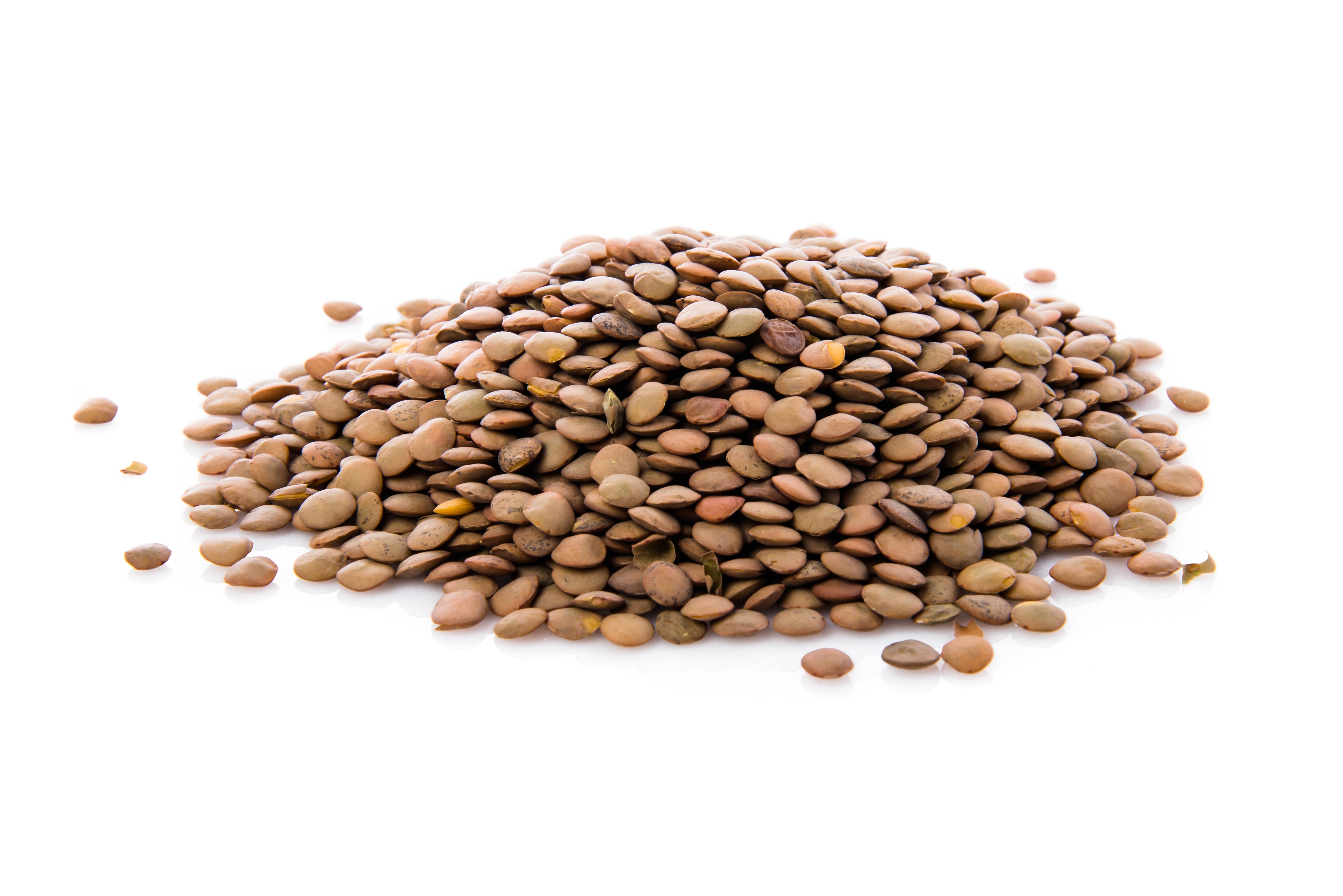
Lentil
A nutritionally rich crop with strong consumer appeal. Lentils feature prominently in VALPRO's plant-based food product development — from burgers to pasta.

Lupin
One of Europe's highest-protein legumes. Lupin's robust growing profile and exceptional nutritional density make it a key focus for VALPRO's scaling and processing ambitions.


